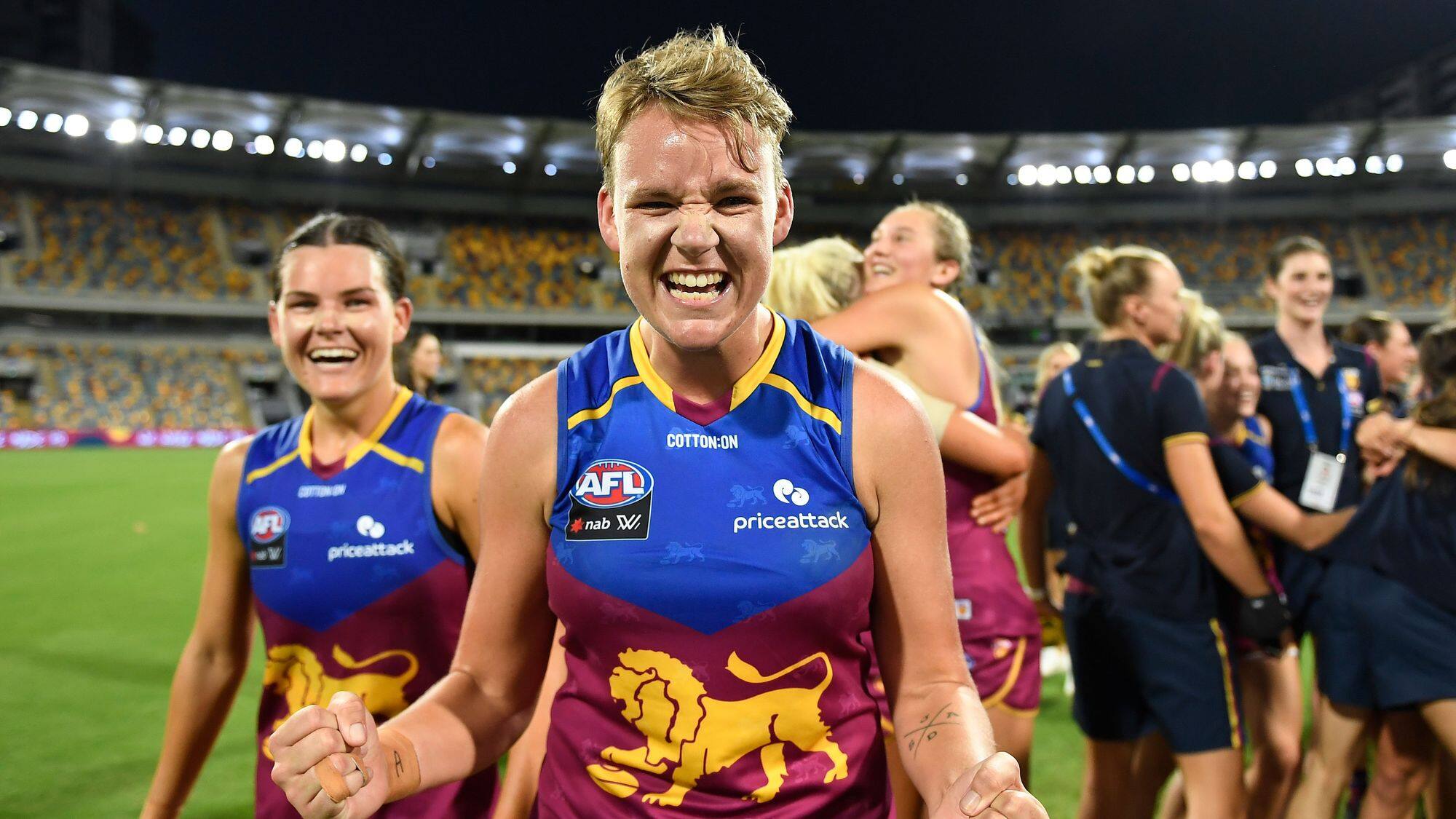
AFL Draft trends: Running power dictates play

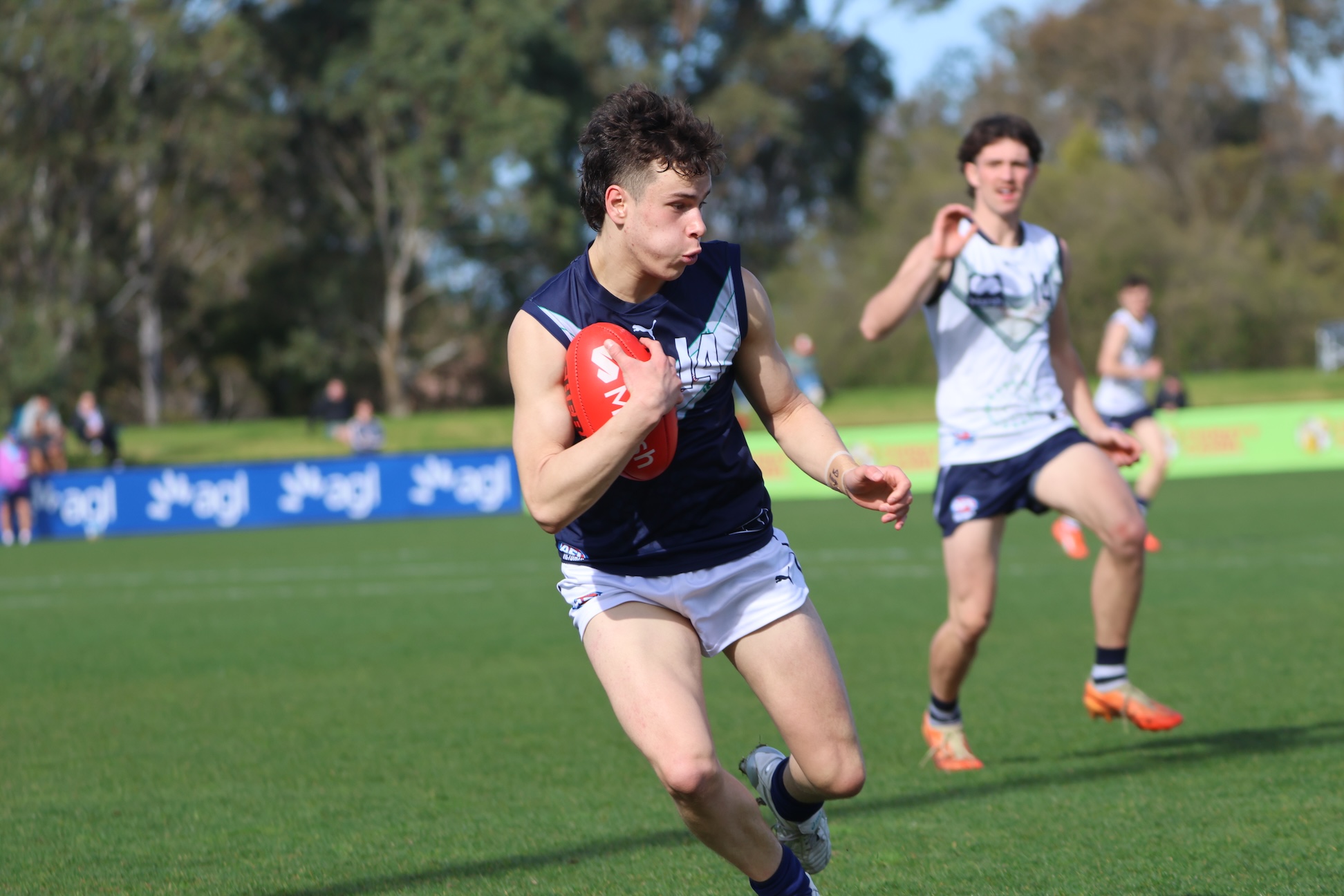
THE AFL is an ever-evolving landscape; from how the game is played, to the rules it is played under, and which type of player is thus most effective. After the latest draft intake, one key attribute is becoming increasingly in-vogue across every line – running power. We put it under the microscope in the first edition of our new series, AFL Draft trends.
RUNNING POWER
Recent rule changes had AFL clubs rethinking their approaches this year, with less breaks in play set to demand more on fitness. Geelong’s master recruiter Stephen Wells himself sited the increasing speed of top flight football, and thus targeted “players who would fit into” Geelong’s evolving gamestyle.
That approach yielded two long-term talents with exceptional athletic traits in Harley Barker and Hunter Holmes. While neither is expected to play much, or any, senior footy in 2026, they have what it takes to facilitate an attacking and dynamic style of play in future.
So much was running power in vogue, that Barker became a first round selection despite carrying an ACL injury which will see him sit out much of his first year. New West Coast recruit Sam Allen is in a similar boat, but that didn’t stop the Eagles swooping at pick 29.
The fabled ‘running power’ ultimately comes down to two factors – speed and endurance. In an AFL setting, repeat sprint efforts are what allow teams to gain and sustain momentum over the opposition. Allen is a player who does exactly that, boasting high-end pace and a deep running tank.
There are those who rocket up the order by falling into one of the two categories – like Holmes for speed and Hawthorn’s Jack Dalton (pick 34) with endurance – but some set themselves apart in both categories. Enter Richmond bolter Sam Grlj, taken at pick eight.
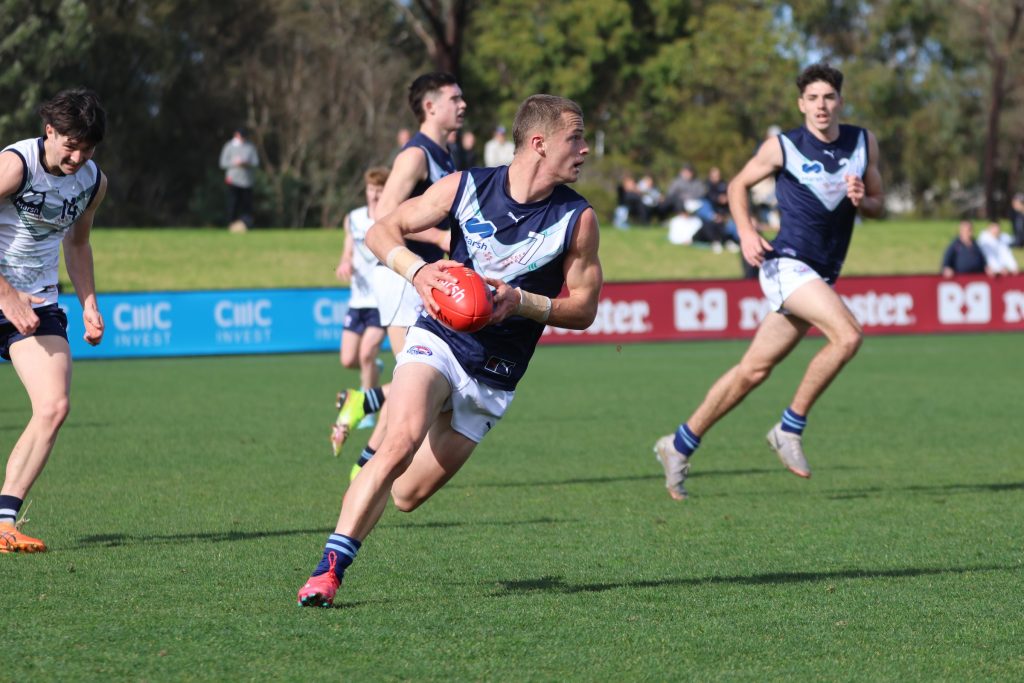
The Oakleigh Chargers speedster registered top 10 results in both the 20m sprint and 2km time trial at this year’s National Draft Combine, a rare feat which solidifies his AFL potential. It translates on-field, where he’s a highly damaging transitional weapon.
Many more players who connect the lines both frequently and fluently were taken early. Dylan Patterson made himself the draft’s most watchable prospect playing that way, while the likes of Oskar Taylor, Harry Kyle, and Cameron Nairn bolted into the first round with their ability to feed end-to-end play.
Taylor landed at the club perhaps most renowned for aligning its selections to traits – Greater Western Sydney. The Giants didn’t intend on picking on night two, but found a talent who “plays the way that [they] want to play” in Finn Davis and snapped him up, purely on a traits bases. Speed wins.
Even small forwards must offer high-end running capacity to match their usual class and smarts. Lachy Dovaston is a prime example of that, renowned for his ability to clear out the forward 50 and do damage on the way back. Similarly, Tylah Williams often blew up the GPS with his work rate.
Likewise with the talls, Aidan Schubert came into the draft renowned for his ability to continually compete – albeit lacking a turn of speed. South Australian teammate Mitchell Marsh was the only other genuine tall forward taken in the first round, and boasts an elite running tank.
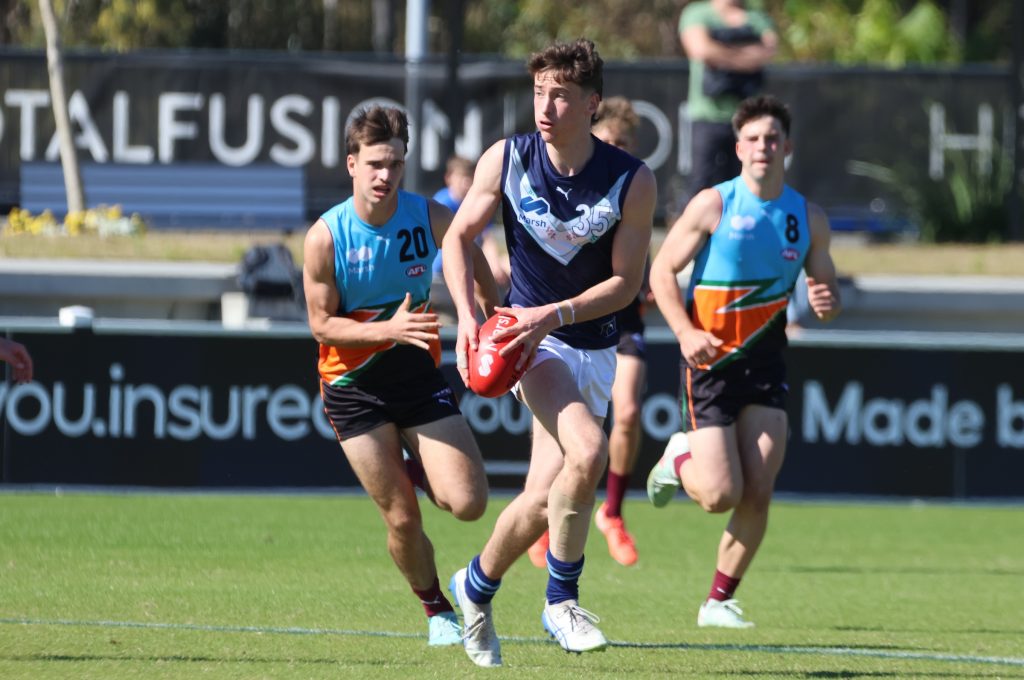
A little further down the order, Louis Emmett was the second player taken on night two after registering an elite 6:07 2km time at the draft combine – at all of 199cm. 194cm key defender Blake Thredgold was the first, having finished seventh overall in the 20m sprint (2.918 seconds).
On the flipside, those who struggle to flick the switch tended to slide down the order. Oliver Greeves ultimately became a rookie and is quite potent in the attacking phase, but not overly quick nor reliable defensively. That doesn’t quite cut it at the top level these days.
A far less extreme example of that was Dyson Sharp. Courted by many clubs in the first round, he ended up outside the top 10 despite his performances on the national stage sitting head and shoulders above his peers across several years. But, he lacks leg speed and thrives mostly inside the contest.
While every match starts in the centre, and it restarts there after every goal or quarter break, the last touch rule will put the ball in motion far more often. It means clubs will have to adapt and find players capable of those extended repeat efforts, with speed and outside running capabilities.
Ultimately, recruiters often draft on upside and a player’s hurt factor is increasingly being rated in an athletic sense. While fundamental footballing skills and IQ are paramount, speed and overarching running power have become integral attributes filtered down from the top level.
Several clubs, if not all, have been working away at adjusting their gameplans to align with the shift in rules. That also lends to shifts on the recruiting scene, with coaches and list managers seeking players who can facilitate a relentlessly rapid style. As much continues to be evident come draft time.
VFL Player Focus: Caylen Murray (Brisbane Lions)
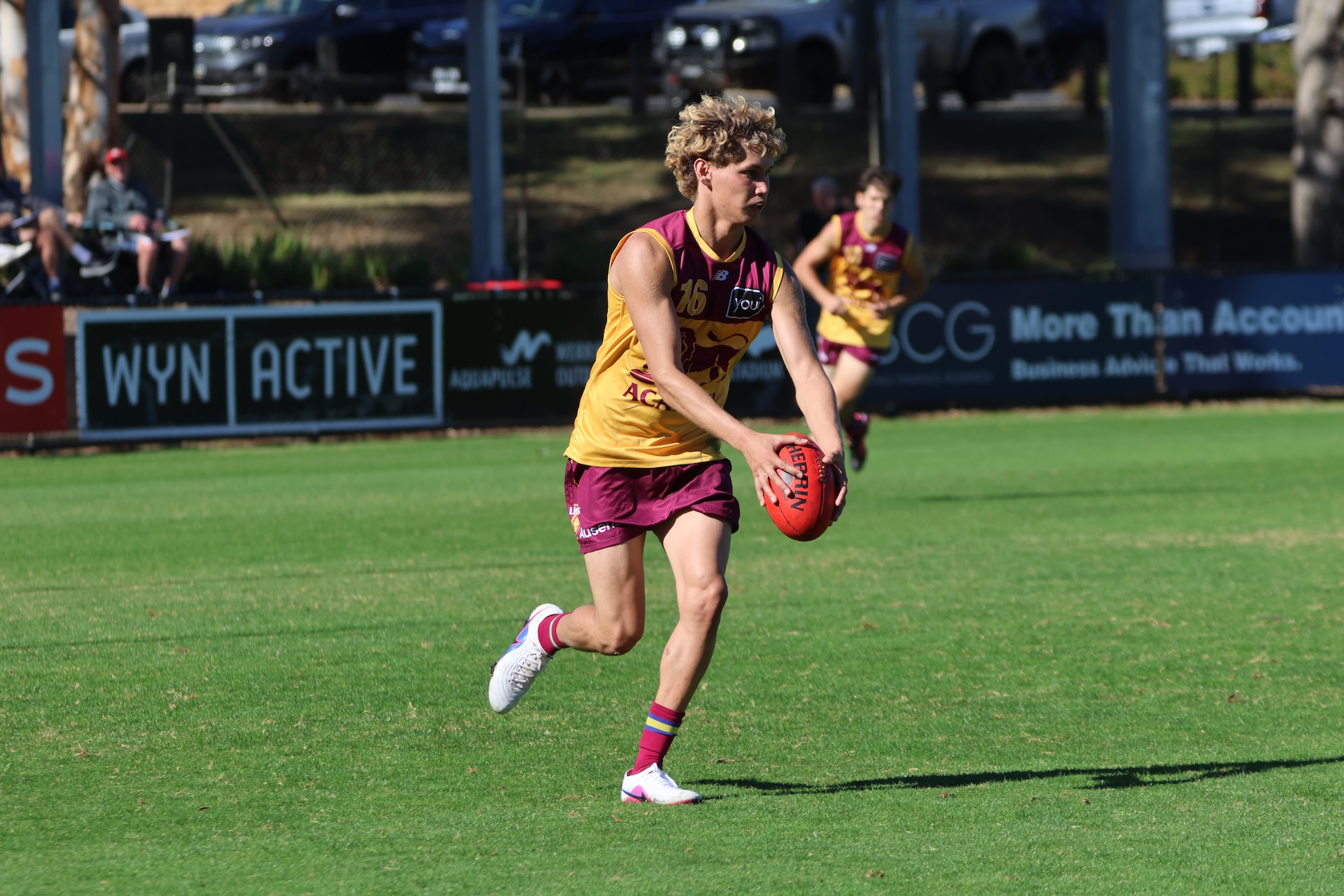
IT WAS an exciting couple of days for Brisbane Lions Academy prospect Caylen Murray. After being awarded honours as half-back in the Under 18s All-Australian side, Murray found himself competing against North Melbourne for the Lions VFL side a few days later. Coming off the back of a standout performance for the Allies in June, […]
AFL DRAFT | The clubs stockpiling future picks
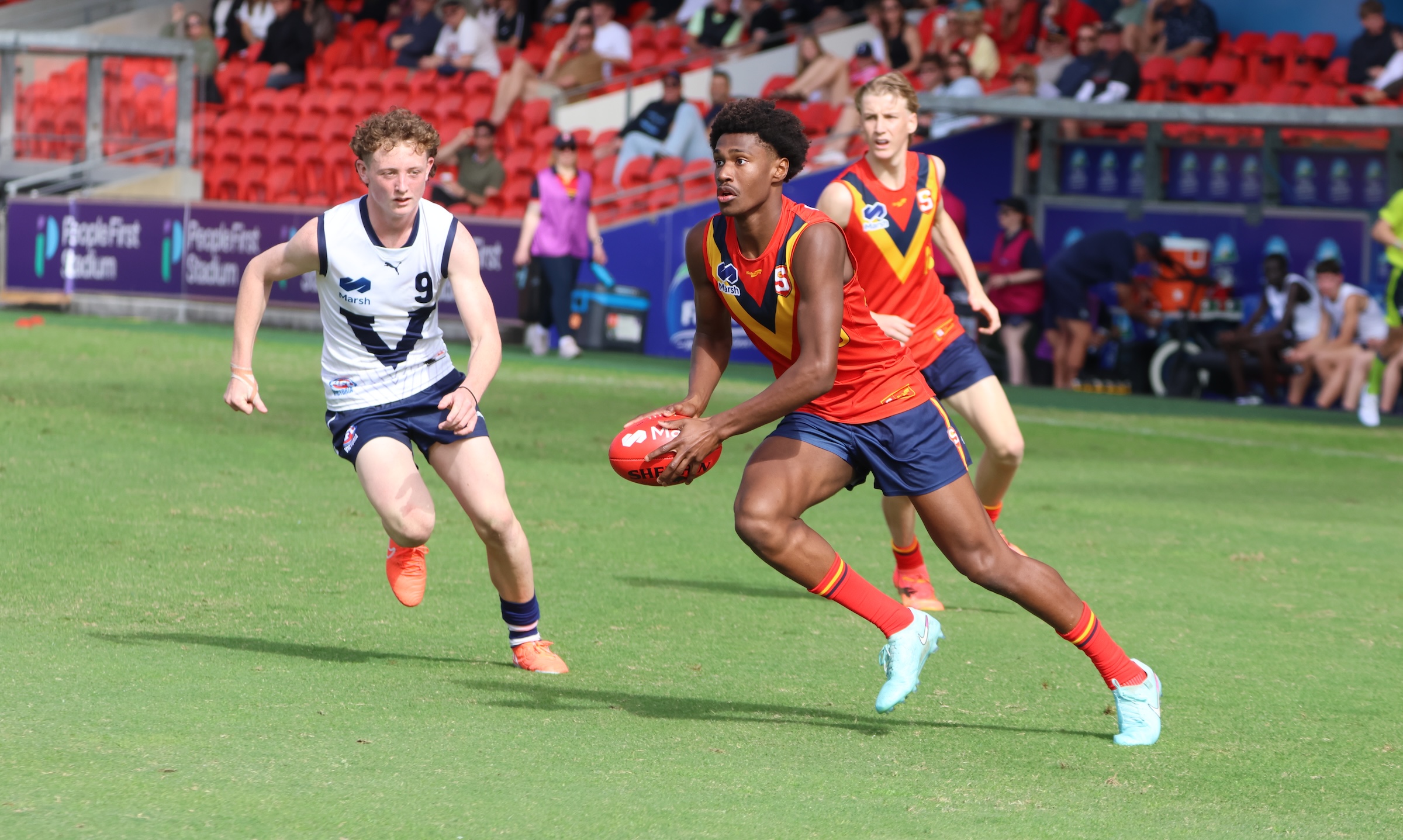
THE future picks market is becoming increasingly prevalent at each AFL Draft, and with tighter rules around matching bids, preparation is proving key. Gold Coast has become the pick swap king and frantically did so throughout trade and draft period to secure five academy graduates this year. >> EVERY CLUB: 2026-2028 future picks>> AFL DRAFT: […]

AFL Draft trends: Mature-age list balance
IN THE wake of the latest AFL Draft, the time to reflect allows for insights around how each club approaches their intakes. Trends appear and shift all the time, and looking at the post-Covid era (2022 onwards), a few recruiting teams have opted to dip into the mature-age talent pool. It continued in 2025 with […]
AFL Draft trends: Running power dictates play
THE AFL is an ever-evolving landscape; from how the game is played, to the rules it is played under, and which type of player is thus most effective. After the latest draft intake, one key attribute is becoming increasingly in-vogue across every line – running power. We put it under the microscope in the first […]
2025 AFL Draft Review: St Kilda
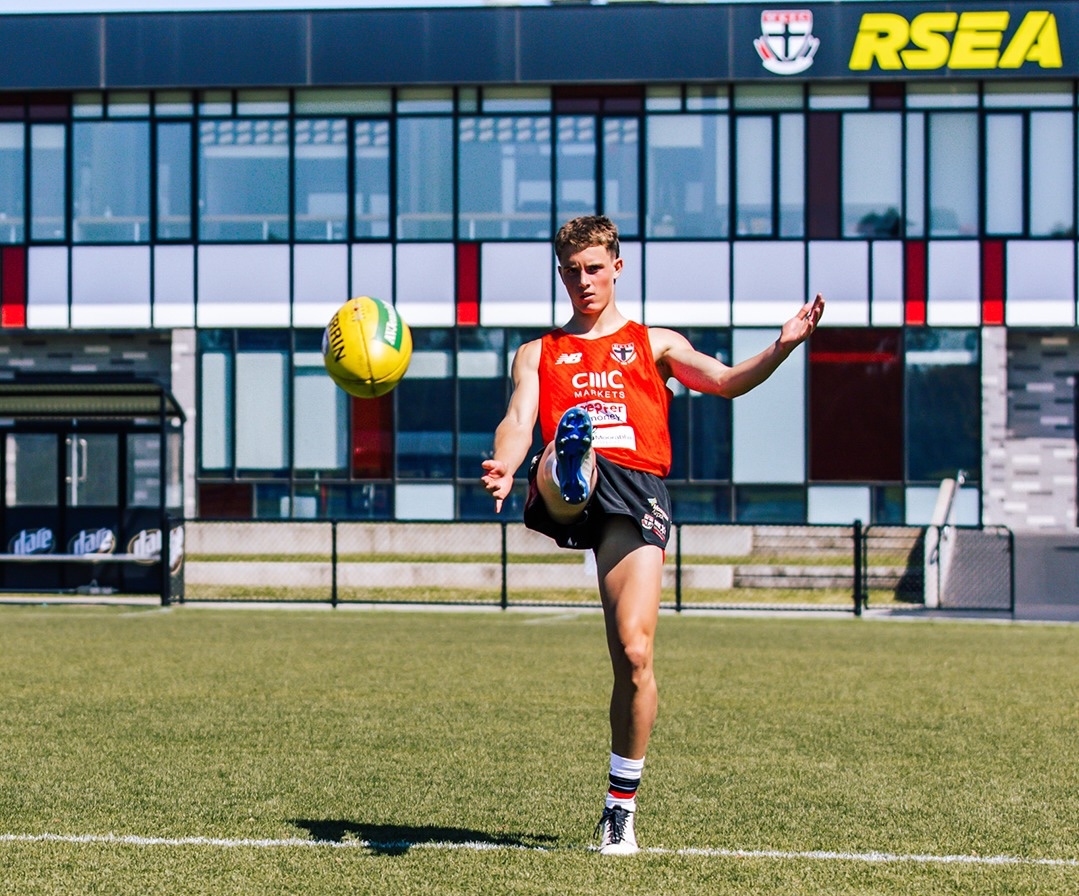
ST KILDA had a relatively quiet draft period with just two local faces joining the club alongside a couple of re-listings and an Irish Cat B rookie. Though the Saints’ picks were late, they made the most of what they did have with a pair of club-tied talents. >> EVERY PICK: National Draft | Rookie Draft>> 100+ PROFILES: View […]
2025 AFL Draft Review: Richmond
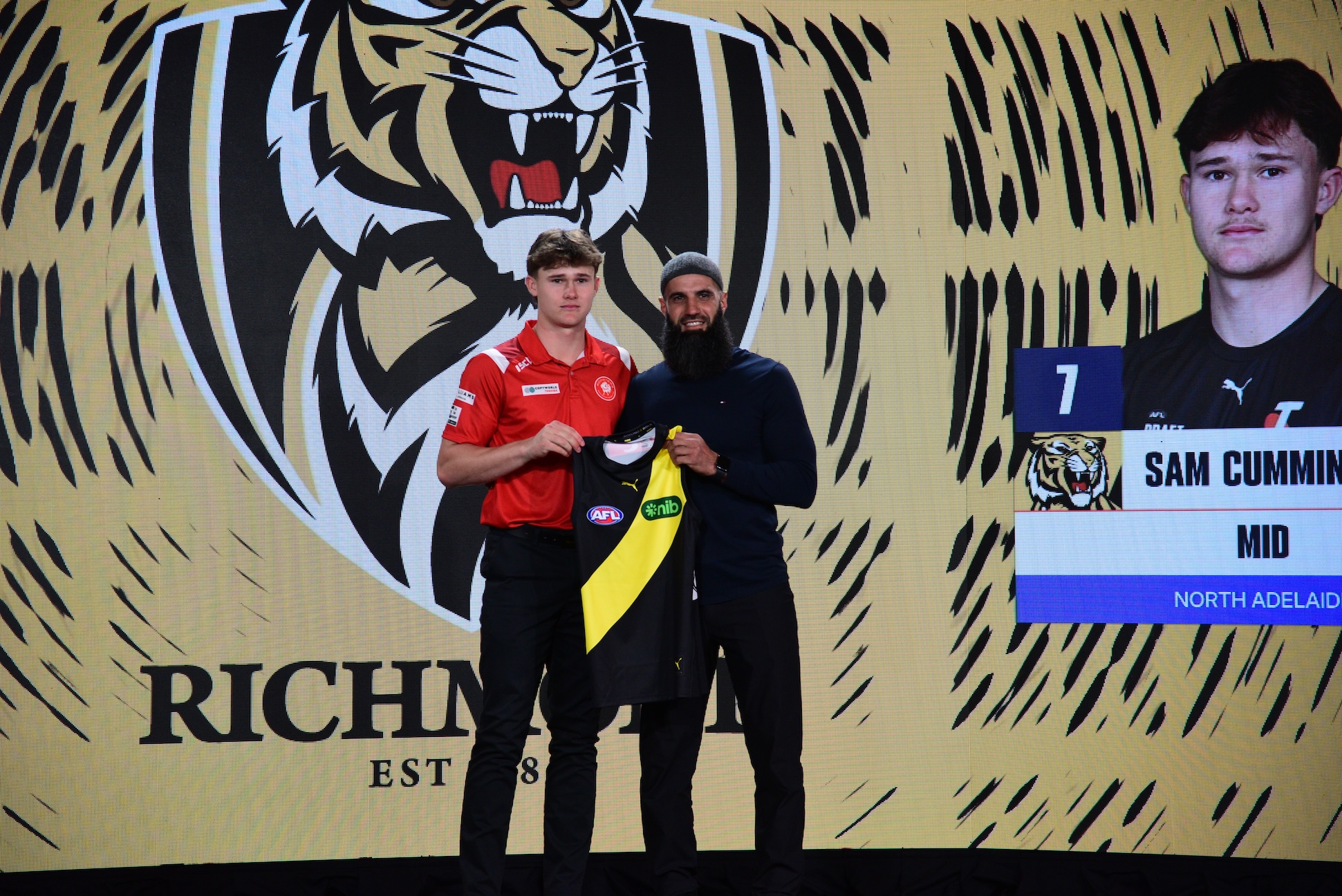
ANOTHER couple of top 10 picks ensured Richmond was able to add more top-end talent to its young and developing list at this year’s AFL Draft. The Tigers selected three out of four South Australians in the haul, with speed and competitiveness a key trait in the haul. >> EVERY PICK: National Draft | Rookie Draft>> 100+ PROFILES: View […]
2025 AFL Draft Review: Port Adelaide
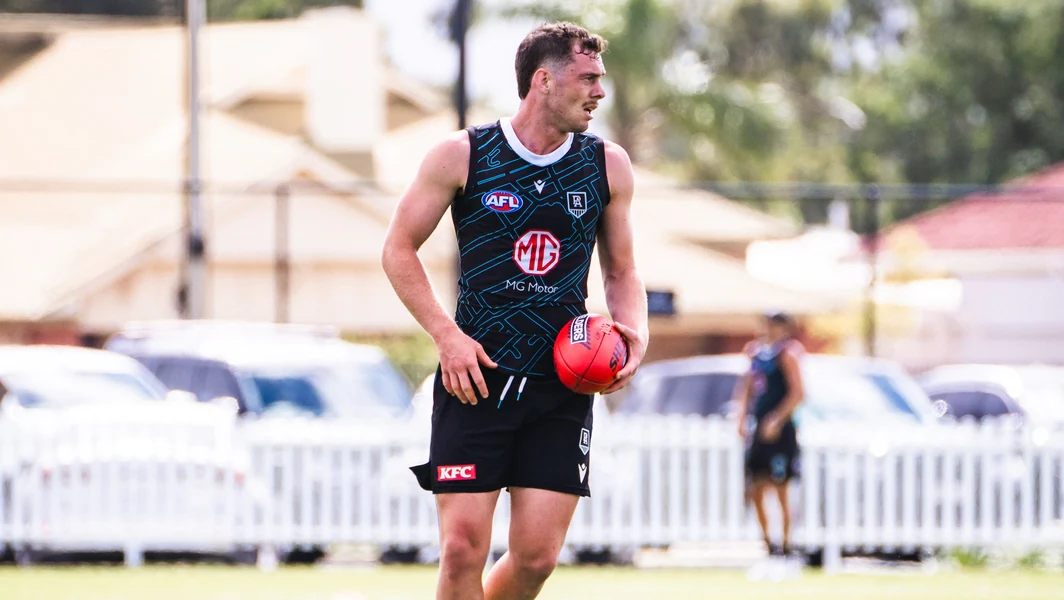
PORT Adelaide enjoyed a sightseeing trip to Melbourne during the AFL Draft and became the first club to not draft a single player during the National Draft. Instead, the Power opted to elevate rookies Tom Cochrane, Josh Lai, Harrison Ramm and Logan Evans before taking a new player with the Rookie Draft straight out of […]
2025 AFL Draft Review: North Melbourne
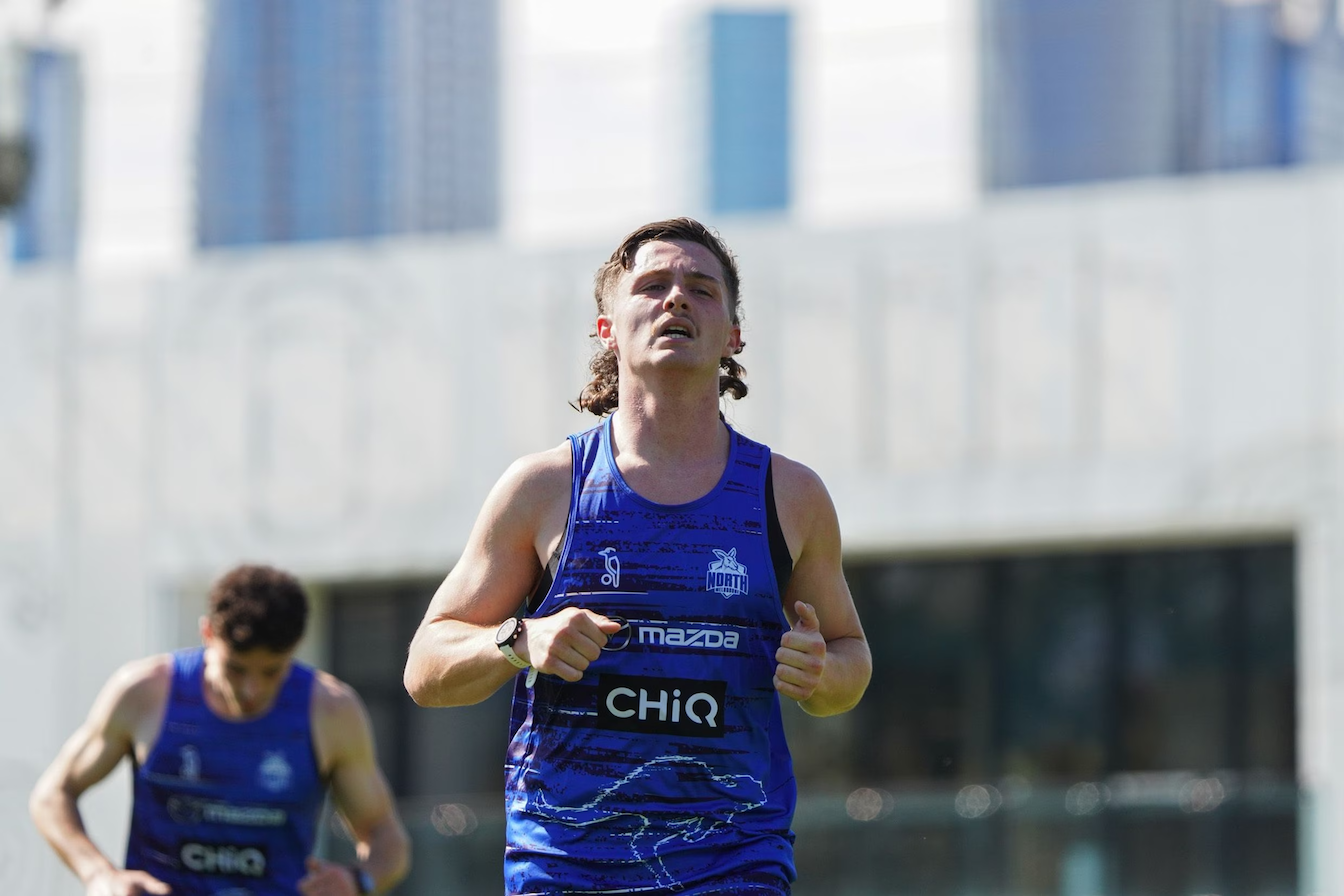
NORTH Melbourne might not have had a high-volume of selections in this year’s AFL Draft, but the Roos were able to pinpoint a couple of needs with some top 30 selections. Picking up the draft’s best small forward alongside an draft-bolting tall defender, North also secured the services of another talented ball-winner. >> EVERY PICK: National Draft […]
2025 AFL Draft Review: Melbourne
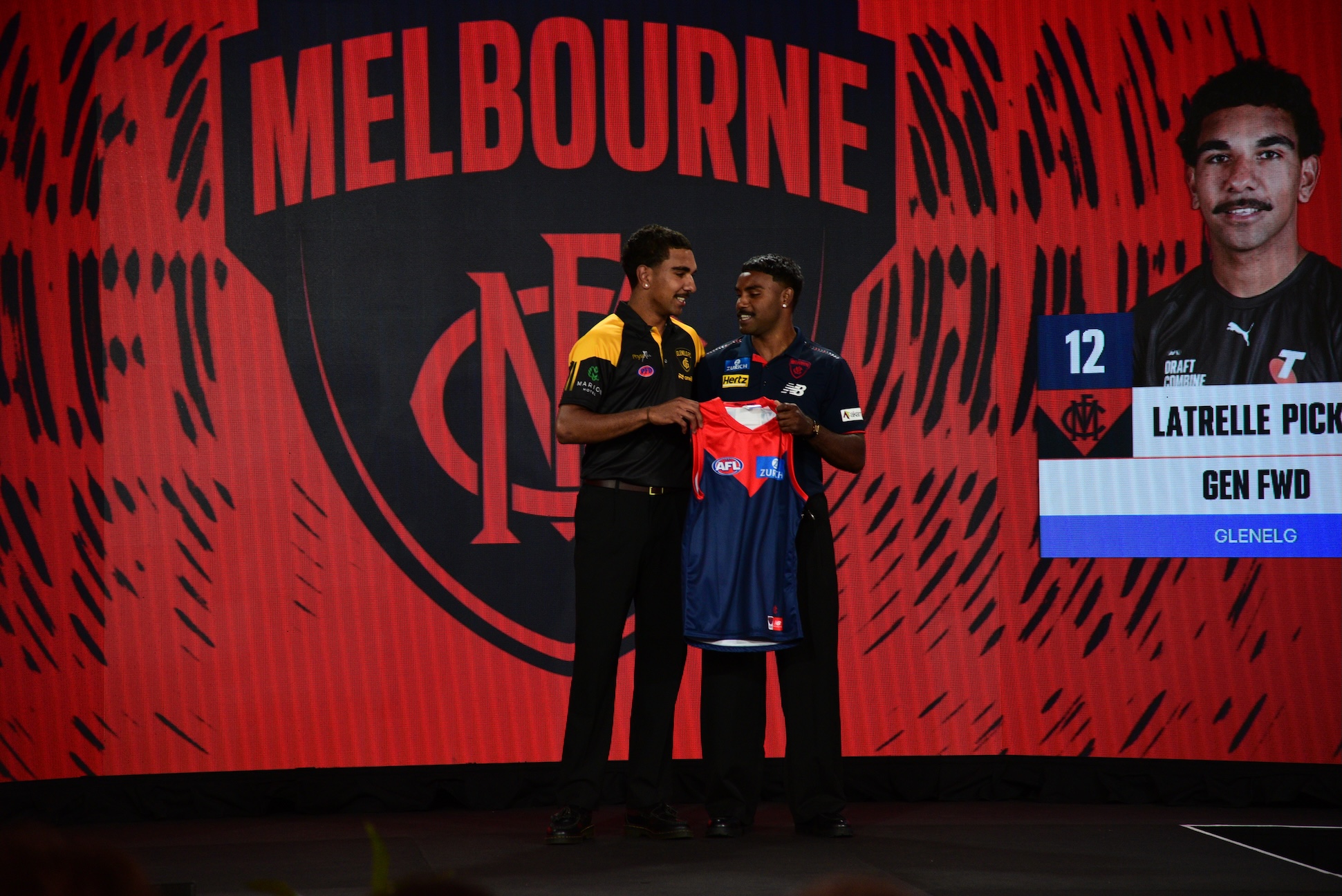
AFTER losing a couple of star midfielders to other clubs over the off-season, the Dees entered the 2025 AFL Draft with back-to-back top 10 picks and a second round selection to bring in some quality young guns. Melbourne picked up one of the most highly performed players of 2025, as well as a couple of […]