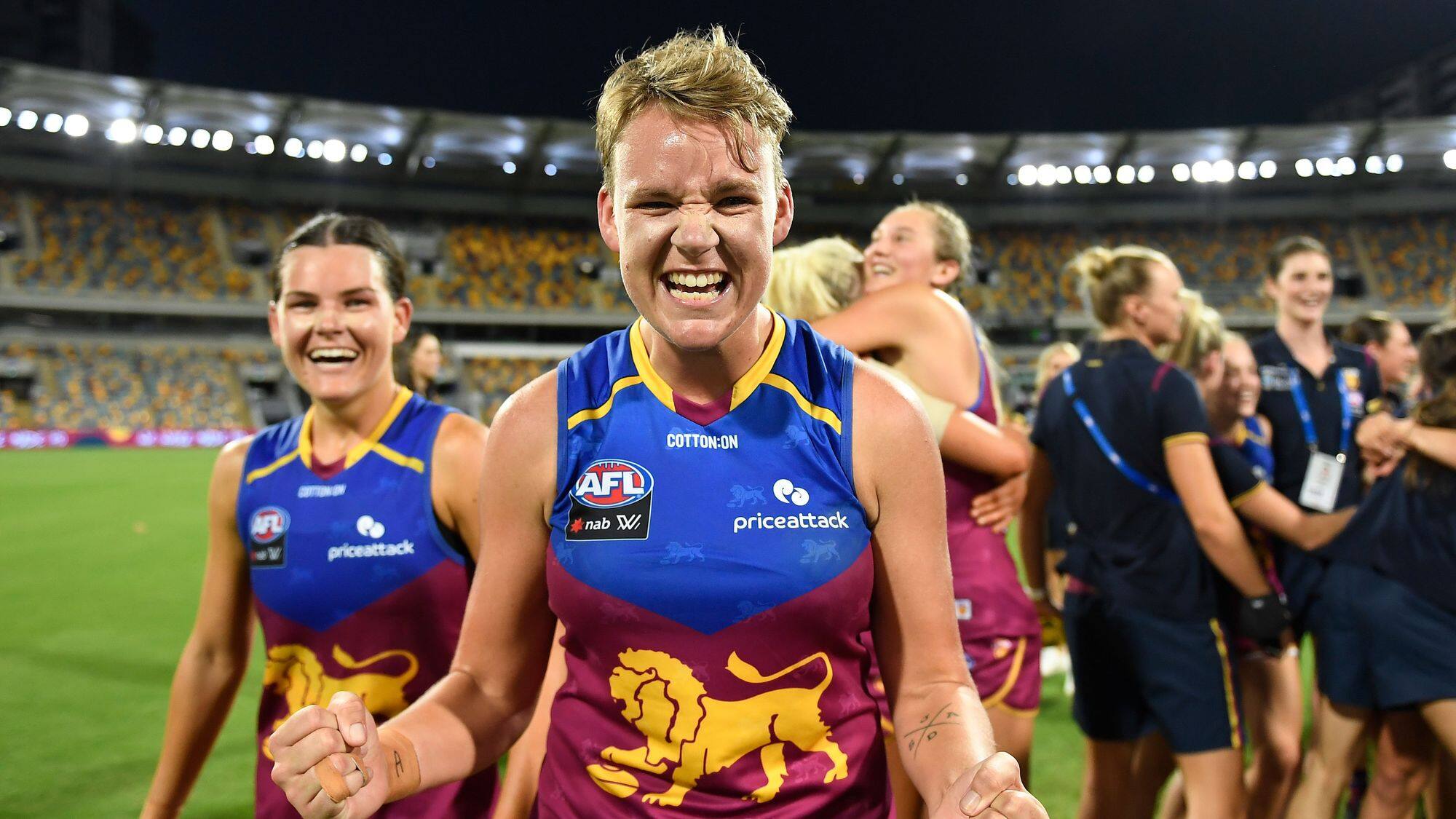
Breakdown: 2026 AFL Draft Combine invites

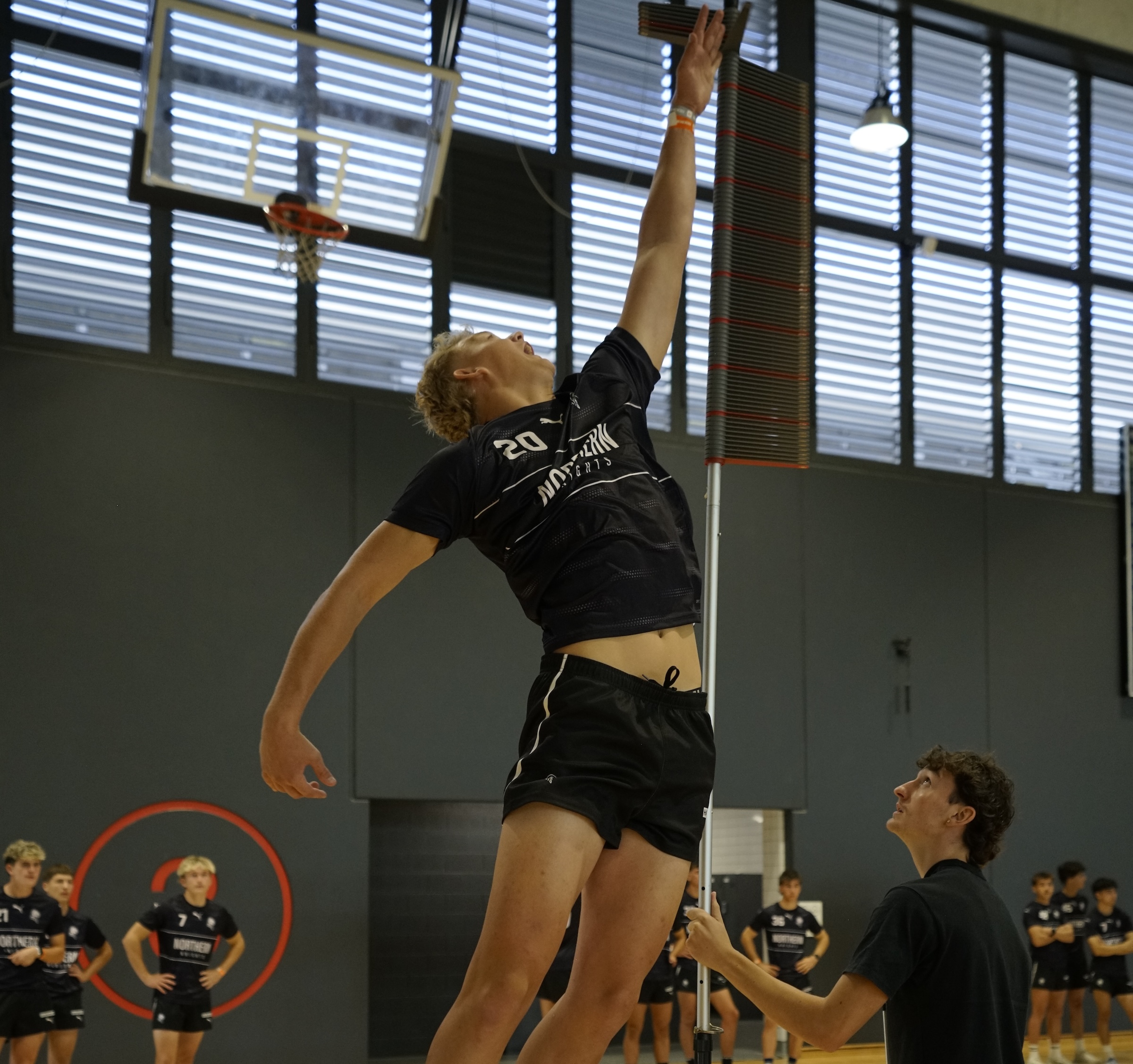
THE BUDDING AFL Draft crop will be put through its paces at this year’s National and State Draft Combines, set to take place in October. With the lists of invitees released yesterday, we now have an even further understanding of which prospects are under the microscopes of recruiters.
While there is still time for bolters to make their run, if preseason testing is anything to go by, there promises to be a bunch of high-level results from this cohort. We crunched the numbers on how the class of 2026 stacks up in terms of positions, age profile, club-tied talent, and state representation.
>> FULL LISTS: 2026 AFL & AFLW Draft Combine invites
NATIONAL DRAFT COMBINE
When: September 30 – October 3
Where: MCG (club interviews), State Netball and Hockey Centre, Parkville (physical testing)
POSITIONS:
Tall Defenders – 7
Small/Medium Defenders – 8
Midfielders – 15
Tall Forwards – 7
Small/Medium Forwards – 11
Hybrid/Utility – 8
Rucks – 4
STATE REPRESENTATION:
South Australia – 13
Vic Country – 16
Vic Metro – 22
Western Australia – 7
Northern Territory – 1
NSW/ACT – 2
Queensland – 1
Tasmania – 1
AGE PROFILE:
Top-age (2008-born) – 62
Over-age (2007-born) – 1
Mature-age – 0
CLUB-TIED TALENT:
Father-Son – 1
Next Generation Academy – 4
Northern Academy – 3
INJURED:
A number of selected prospects will not get to show their wares due to long-term knee injuries. Among them is Geelong Falcons key forward Jack Pickett, who hardly saw any gametime this year after an ACL tear. South Australian midfielder-forward Angus White also went down early in the year, while lone Tasmanian Hugh McCallum and talented West Australian Koby LeCras are also in the same boat and missed out on the National Championships. Arki Butler will hope to get back in time after a collarbone injury ended his representative duties early, while Kai Parker just suffered a shoulder injury over the weekend, so is TBC at this stage.
WHAT IT ALL MEANS:
With around 60-70 selections typically made each year, it is positive for the neutral fan to see a far less compromised crop. While the two leading prospects are club-tied, only eight National Combine invitees fall into that category, making up nearly 13 per cent of the group. That number sat around 30 per cent last year. The strength of the pool is highlighted by only one player being invited from outside the 2008-born crop, which is quite typical of most years, but the depth will be shown in the growing state combine list. Recruiters often say that when Vic Metro is strong, so is the draft, and they lead the way with 22 invitees from their title-winning squad. Contribution from the Allied states is less prevalent than recent years. Positionally, there is a good mix for everyone in this year’s draft. Tall defenders, forwards and rucks feature at the top-end along with a slew of midfielders and small-medium types at either end of the ground.
ONES TO WATCH:
All eyes will be on Swans Academy product Mason McGroder, an national junior long-jumper who blitzed preseason testing. Watch for him to feature heavily at the top-end of the vertical jump events, along with the 20m sprint. Only Northern Knights pair Harry Van Hattum and Sam Gayfer could claim to match him in the running jumps during preseason, with the trio rising to 103cm. The likes of Ethan Drever, Memphis Webb and Harry Franz all fared well in the standing leap. In the running events, Caylen Murray will be a good watch having gone untested in preseason. Andrio Sousa is among the 20m sprint standouts, while teammate Gus Kennedy and Eastern’s Zac Antonellos can both chalk up sub-eight second agility test times. WA captain Leo Steed should test well all-round, boasting a strong endurance tank to go with his wicked turn of speed.
STATE DRAFT COMBINE(S)
Victoria: October 3
South Australia: October 10
Western Australia: October 11
POSITIONS:
Tall Defenders – 5
Small/Medium Defenders – 6
Midfielders – 10
Tall Forwards – 6
Small/Medium Forwards – 5
Hybrid/Utility – 5
Rucks – 2
STATE REPRESENTATION:
South Australia – 8
Vic Country – 7
Vic Metro – 8
Western Australia – 9
Northern Territory – 0
NSW/ACT – 3
Queensland – 4
Tasmania – 0
AGE PROFILE:
Top-age (2008-born) – 34
Over-age (2007-born) – 2
Mature-age – 3
CLUB-TIED TALENT:
Father-Son – 2
Next Generation Academy – 6
Northern Academy – 6
WHAT IT ALL MEANS:
The full picture on this year’s state draft combines is not yet complete, with a bunch more invites expected to be handed out before the event. From what we can see thus far, the top-age crop remains deep but there will be opportunities for some mature-age talent to shine, as is the case most years. There is a far greater concentration of club-tied players in this lot, with the 14 total father-son, NGA, and Northern Academy prospects making up around 35 per cent of invitees. That is somewhat a product of clubs being less inclined to track unavailable talent, along with a slightly weaker Allies crop which produced a handful of National Combine invitees. Once again, along with a strong crop of midfielders there is something for everyone position-wise with no real shortage of utility types either.
ONES TO WATCH:
Much like in the National Combine, a Swans Academy member looks likely to light up the state event. Jake Medved was highlighted for his athletic strengths coming into the year and has emerged has a draft chance since, impressing with his high-end speed. Expect him to fare well in the 20m sprint, alongside the likes of Chas Woodward and Garrison Kenh. Meanwhile, we could be on for a record-breaking meet in WA when Finlay Yeo completes the agility test. His 7.642-second effort in preseason is the best ever recorded by Rookie Me. Cain Florance and Marcus Prasad are others who should be quick through the agility gates, along with Blake Justice. Florance and Justice are also chances to put up strong jumps. The likes of Jack Nelson and Kale Matthews-Hampton also thrived in the running vertical leap during preseason. Flynn Woolhouse won’t be far off the mark, either.
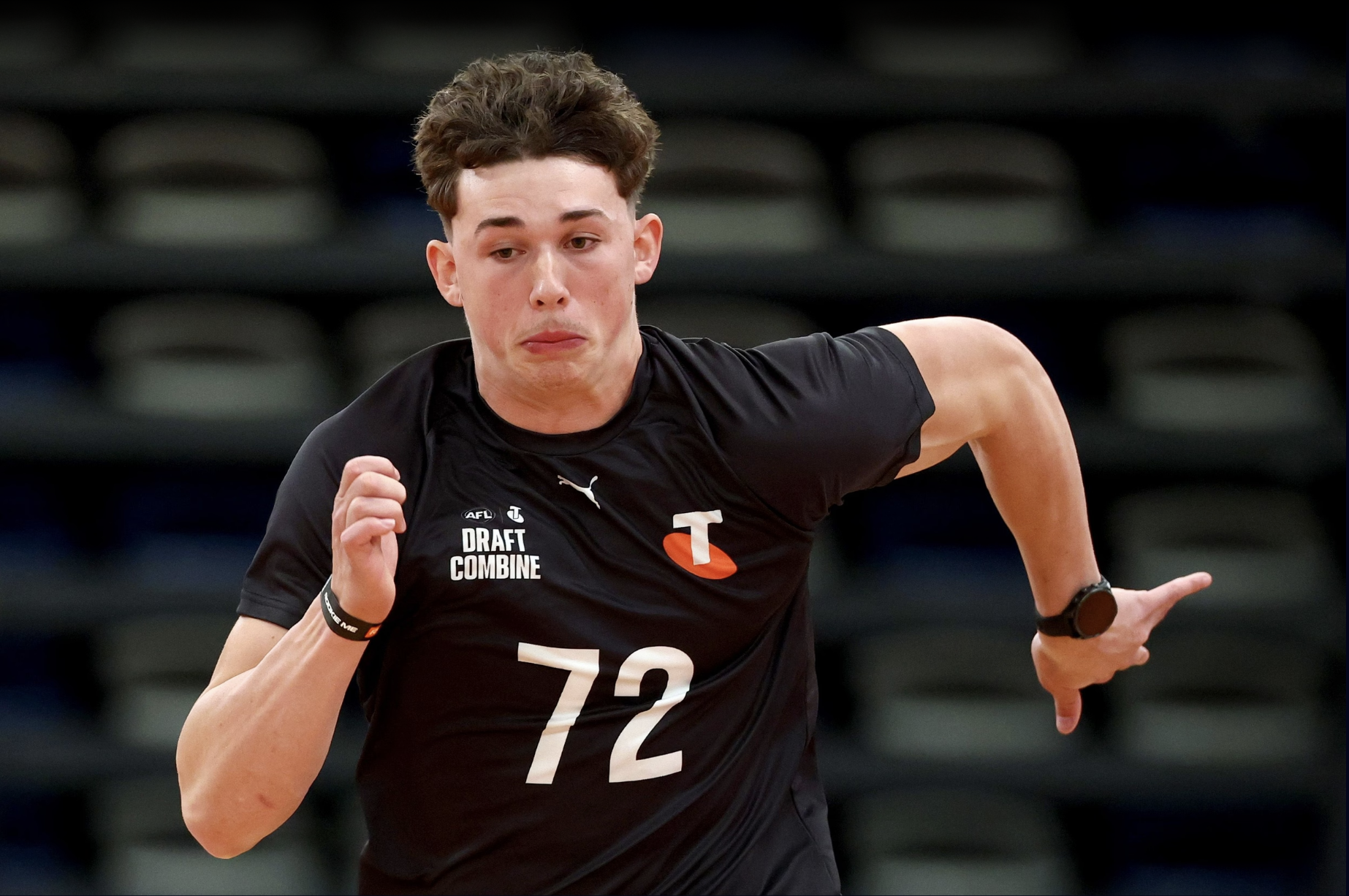
Top 10s: 2026 National AFL Draft Combine
NORTHERN Knights key forward Sam Gayfer made history at the National AFL Draft Combine on Saturday, smashing the running vertical jump record by 7cm. His new high of 114cm was complimented by another first place finish in the standing vertical jump, reaching 88cm in the event at Parkville. >> SCROLL to see the full top […]
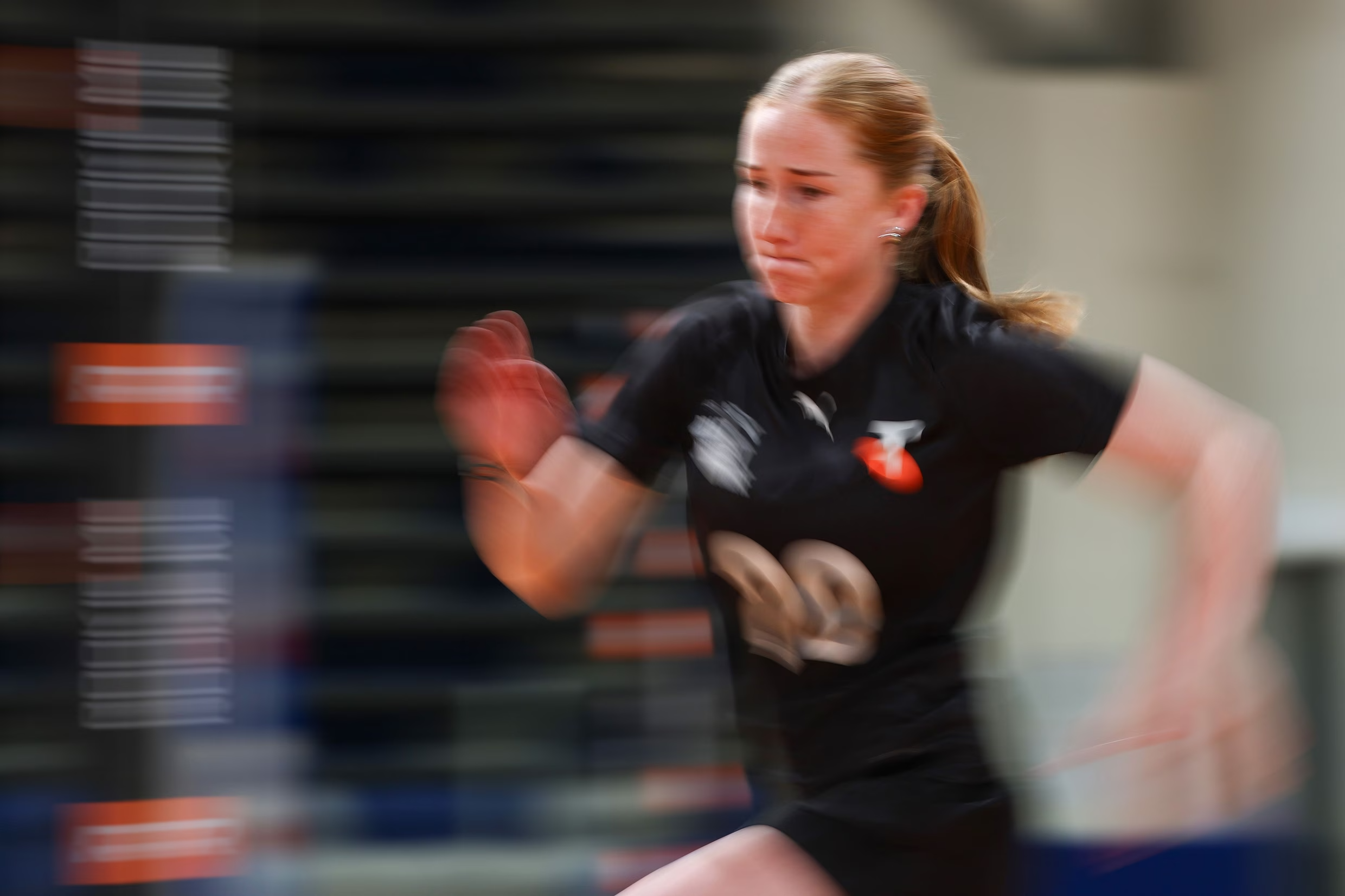
Record-breaking Roche headlines huge AFLW Draft Combine results
MURRAY Bushrangers forward Eliza Roche blitzed the agility test record by 0.57 tenths of a second after an elite performance at Saturday’s AFLW Draft Combine. Speaking to Rookie Me Central the day before the testing, Roche said she was gunning for a score “between 8.2 to 8.4”, but instead finished the course in an incredible […]
Breakdown: 2026 AFL Draft Combine invites
THE BUDDING AFL Draft crop will be put through its paces at this year’s National and State Draft Combines, set to take place in October. With the lists of invitees released yesterday, we now have an even further understanding of which prospects are under the microscopes of recruiters. While there is still time for bolters […]
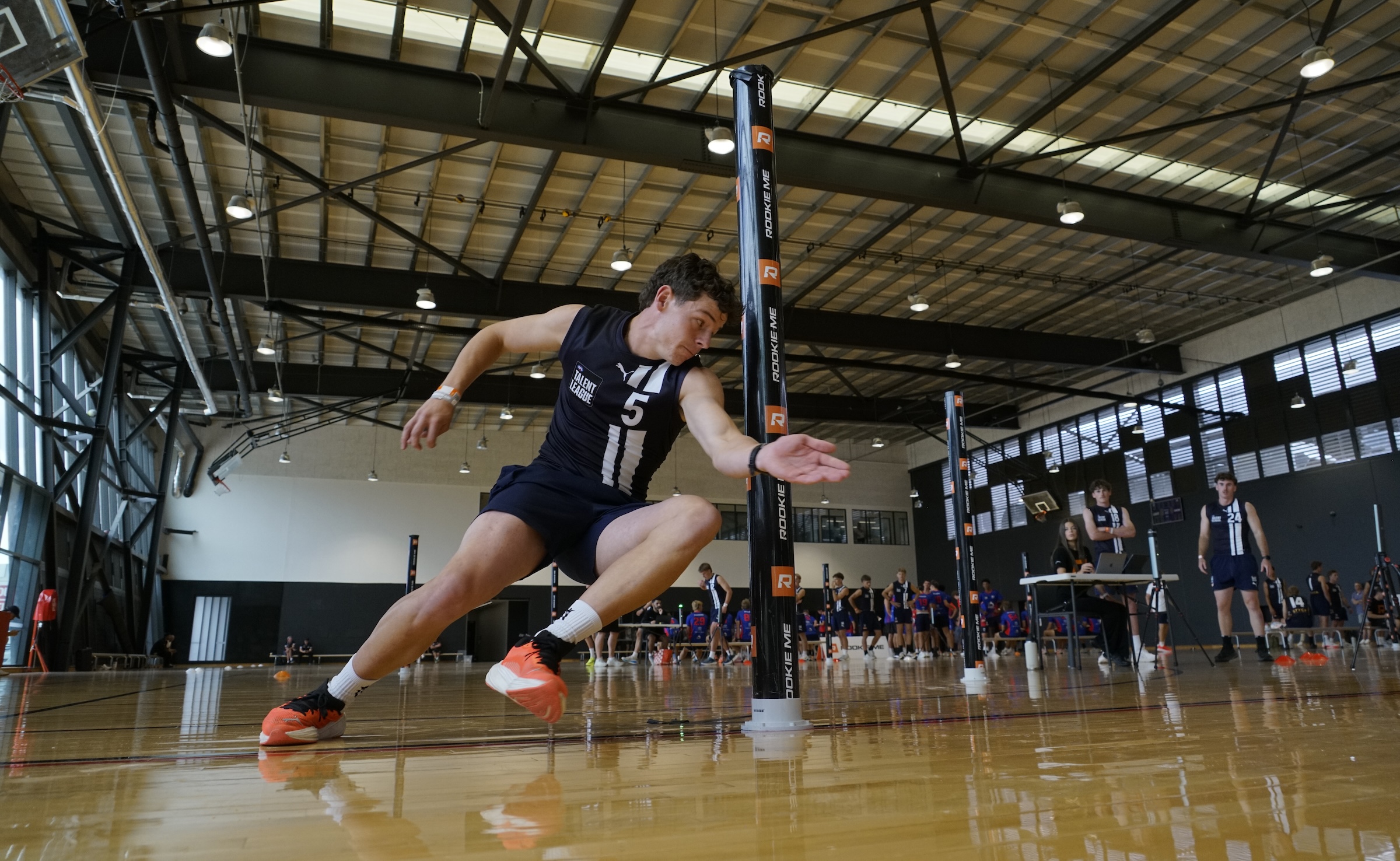
2026 AFL and AFLW Draft Combine lists announced
MORE than 190 aspiring elite-level footballers will test themselves across the various AFL and AFLW Draft Combines with the lists announced today by the AFL. The national events will be staged across two weeks post-AFL Grand Final with the National Draft Combines held in Melbourne from September 29-October 3, while the State Draft Combines will […]
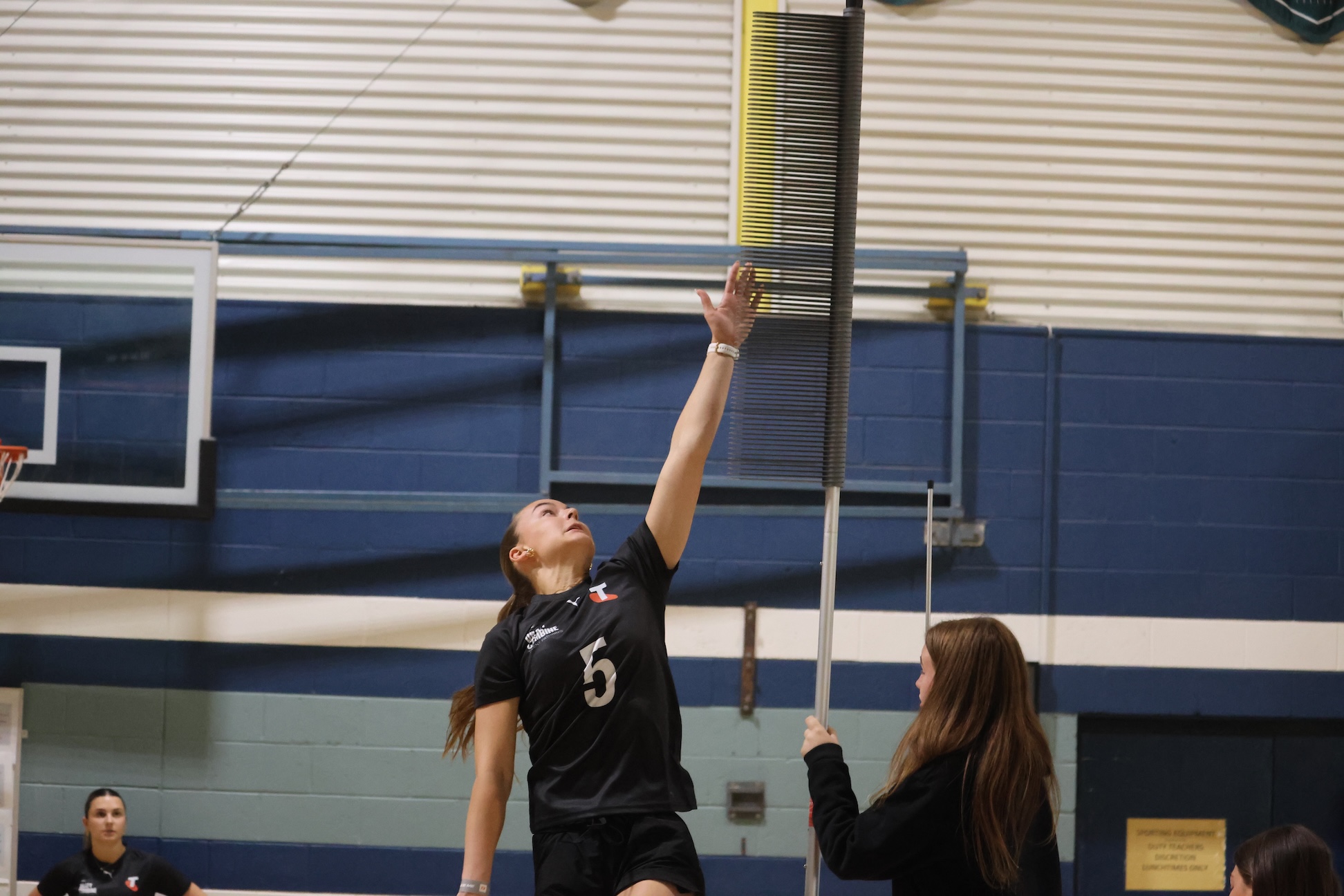
TOP 5s | 2025 AFLW State Draft Combines
A WEST Australian speedster and agile Gippsland draft bolter were among the most prominent individual results at the AFL Women’s State Draft Combines across October. Claremont’s Ella Gilbey is known for her all-round athleticism, while Power player Baia Pugh showed no signs of the broken collarbone that ended her top-age season early. Gilbey recorded the […]
TOP 5s | 2025 AFL State Draft Combines
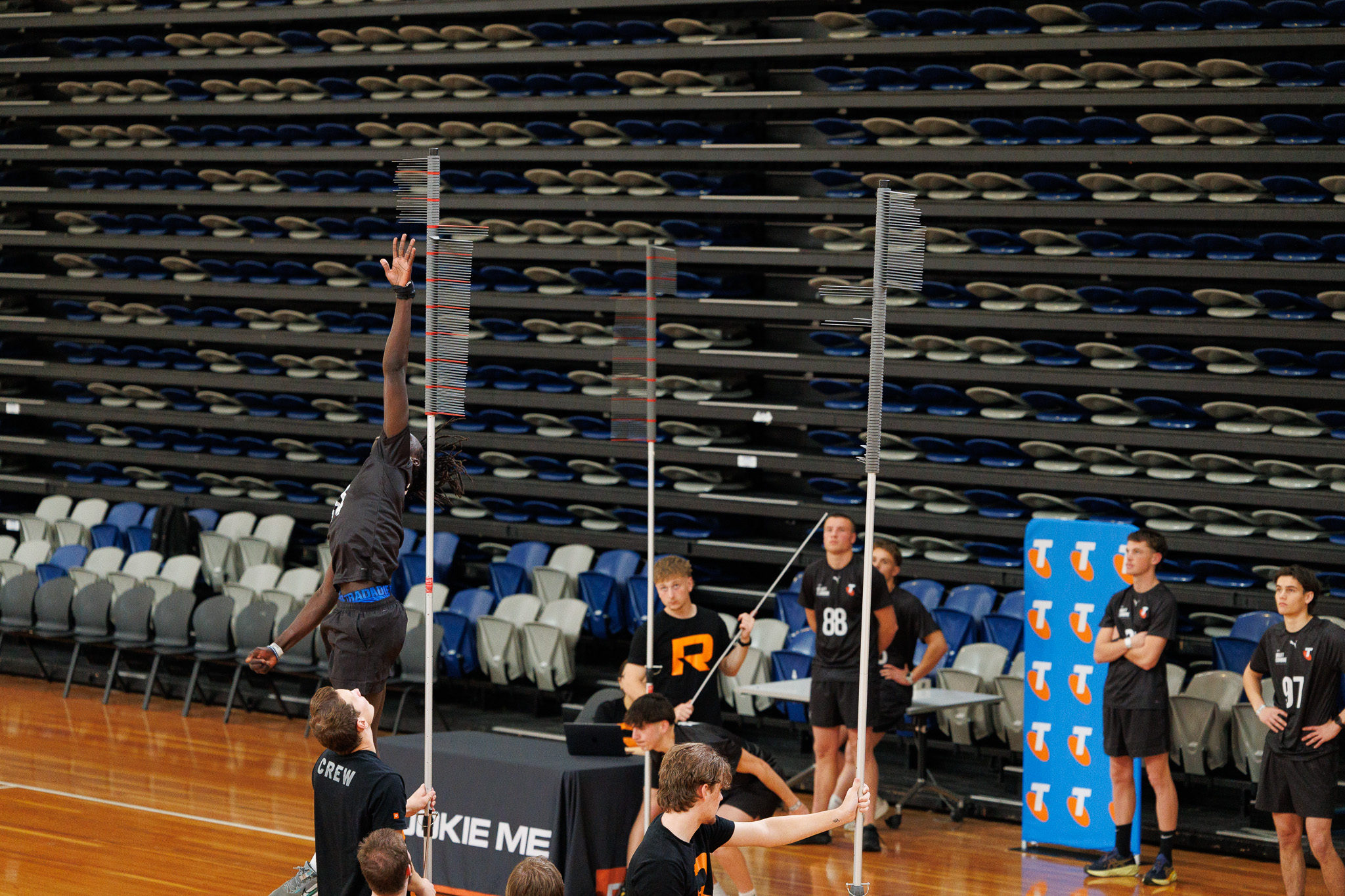
EASTERN Ranges defender Rod Ali was among the top performers in the 2025 AFL State Draft Combines last month. Ali recorded a remarkable 109cm running vertical jump – 19cm clear of his nearest State Combine rival – while also winning the standing vertical jump by seven centimetres. On top of his huge jumps, Ali finish […]
Perth defender, Jets wing added to State Combines
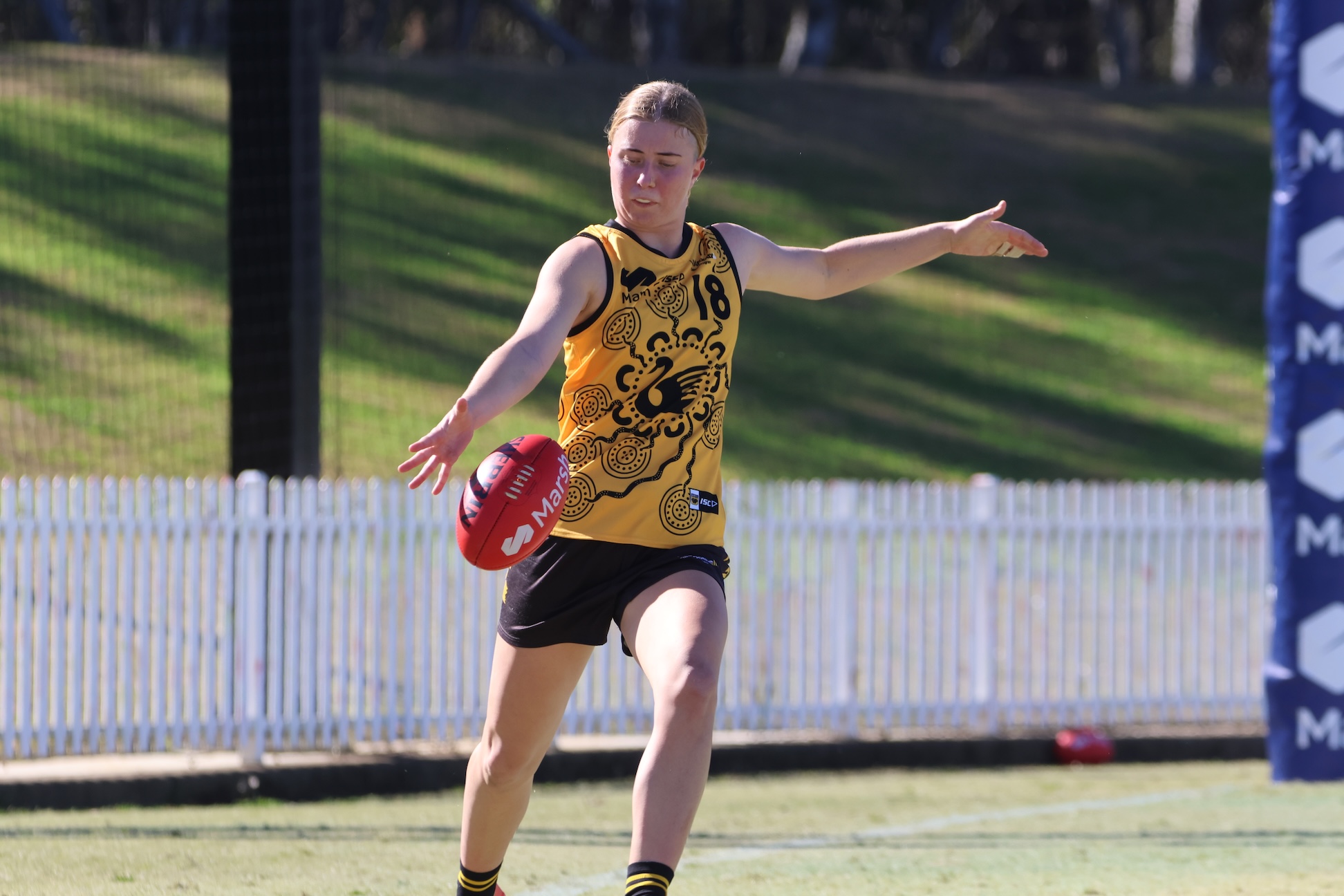
TWO ADDITIONS to the AFL Women’s State Draft Combine have been made this week with Western Jets wing Charlie O’Connor Moreira having tested last Friday as part of the Victorian and eastern states combine, while Perth Demons defender Sienna Timmermans has been added for Sunday’s Combine in Western Australia. The additions come in the wake […]
TOP 10s | 2025 National AFLW Draft Combine
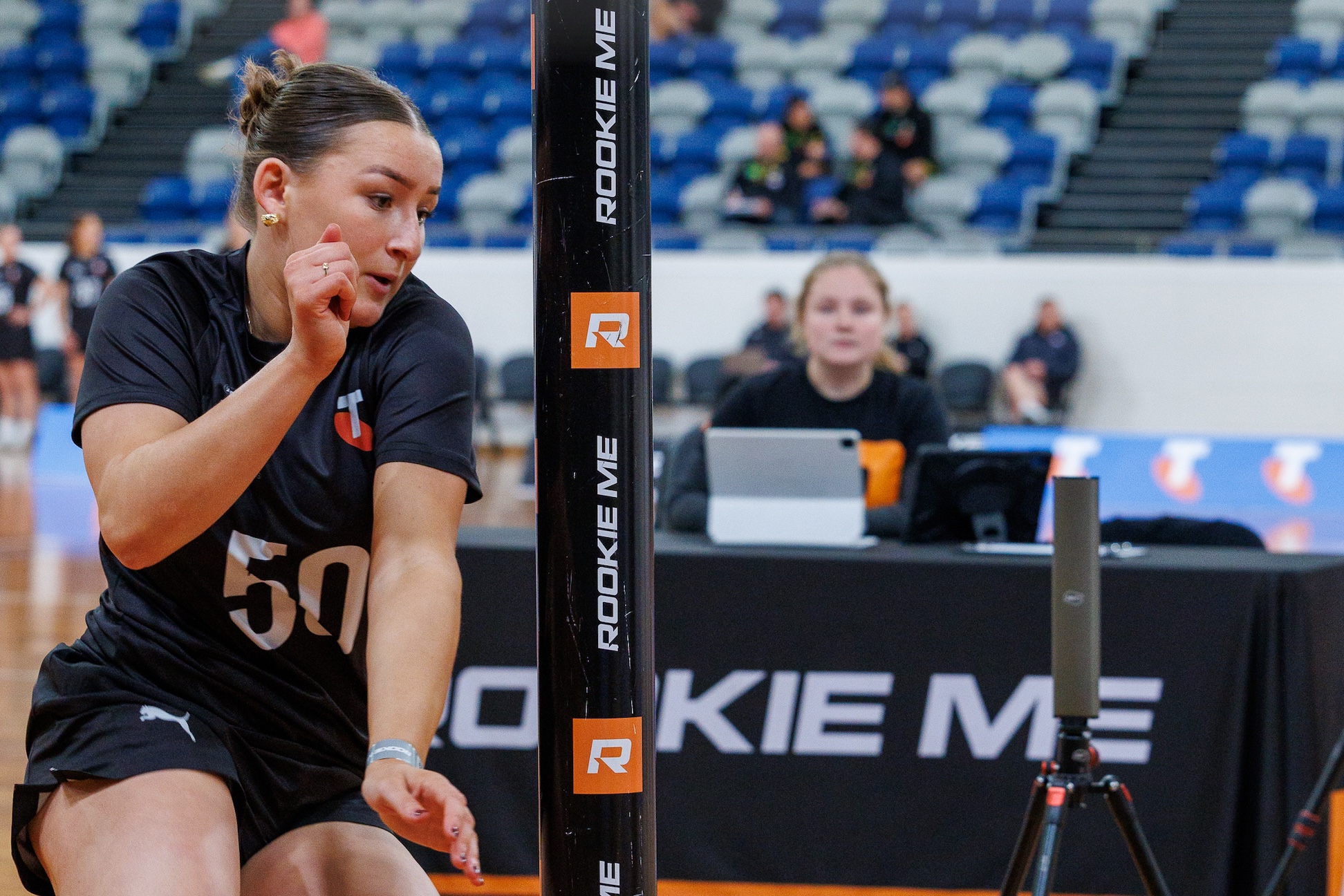
THE AFL has today revealed the top 10 results from testing conducted at this year’s AFLW National Draft Combine. Held at the State Netball and Hockey Centre in Parkville, participants completed the standing and running vertical jump, 20m sprint, and agility test. The 2km time trial was completed earlier in the week at the AIA […]
TOP 10s | 2025 National AFL Draft Combine
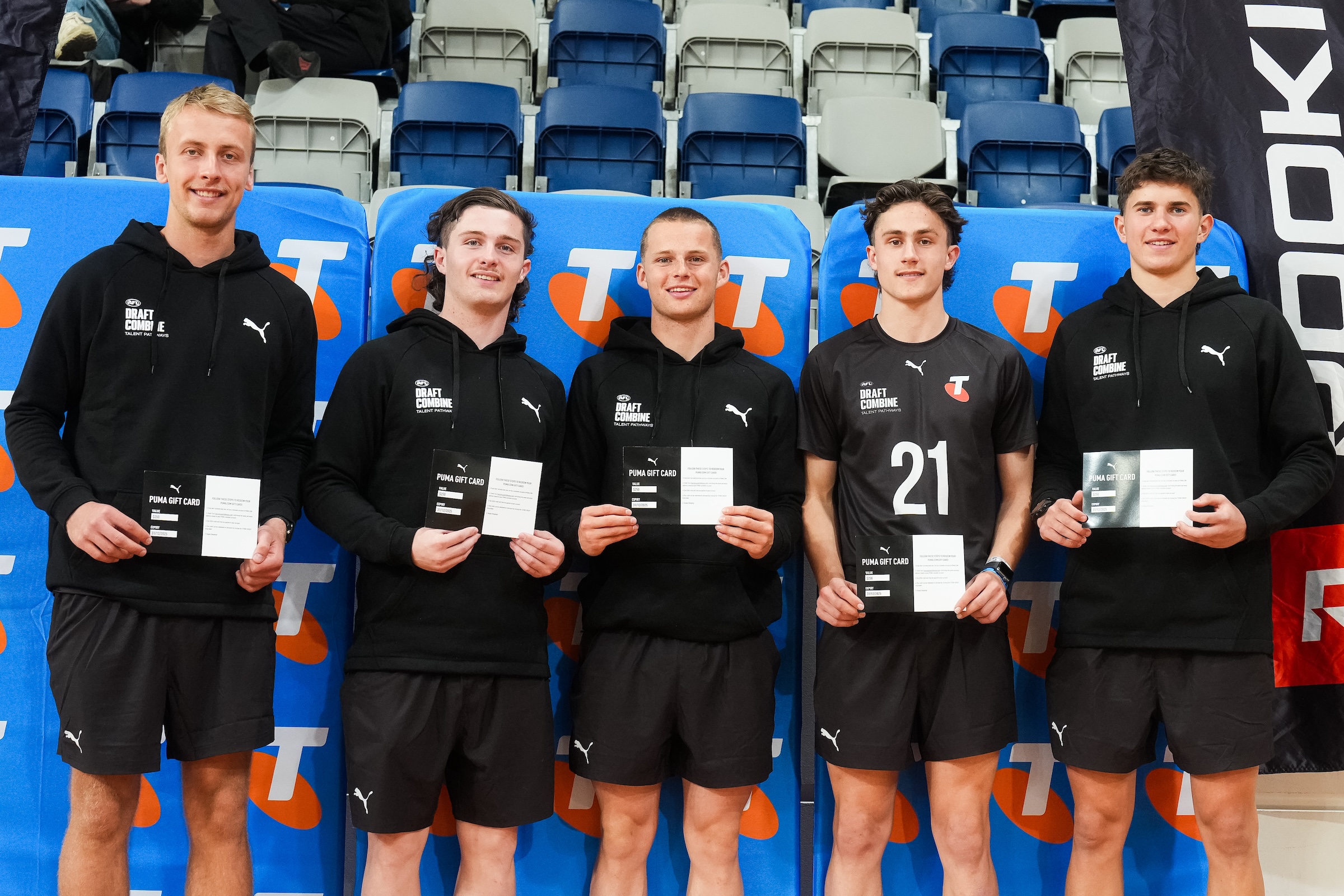
THE AFL has today revealed the top 10 results from testing conducted at this year’s National Draft Combine. Held at the State Netball and Hockey Centre in Parkville, participants completed the standing and running vertical jump, 20m sprint, and agility test. The 2km time trial was completed earlier in the week at the AIA Centre. […]